
Aircraft Maintenance Engineering in Kenya
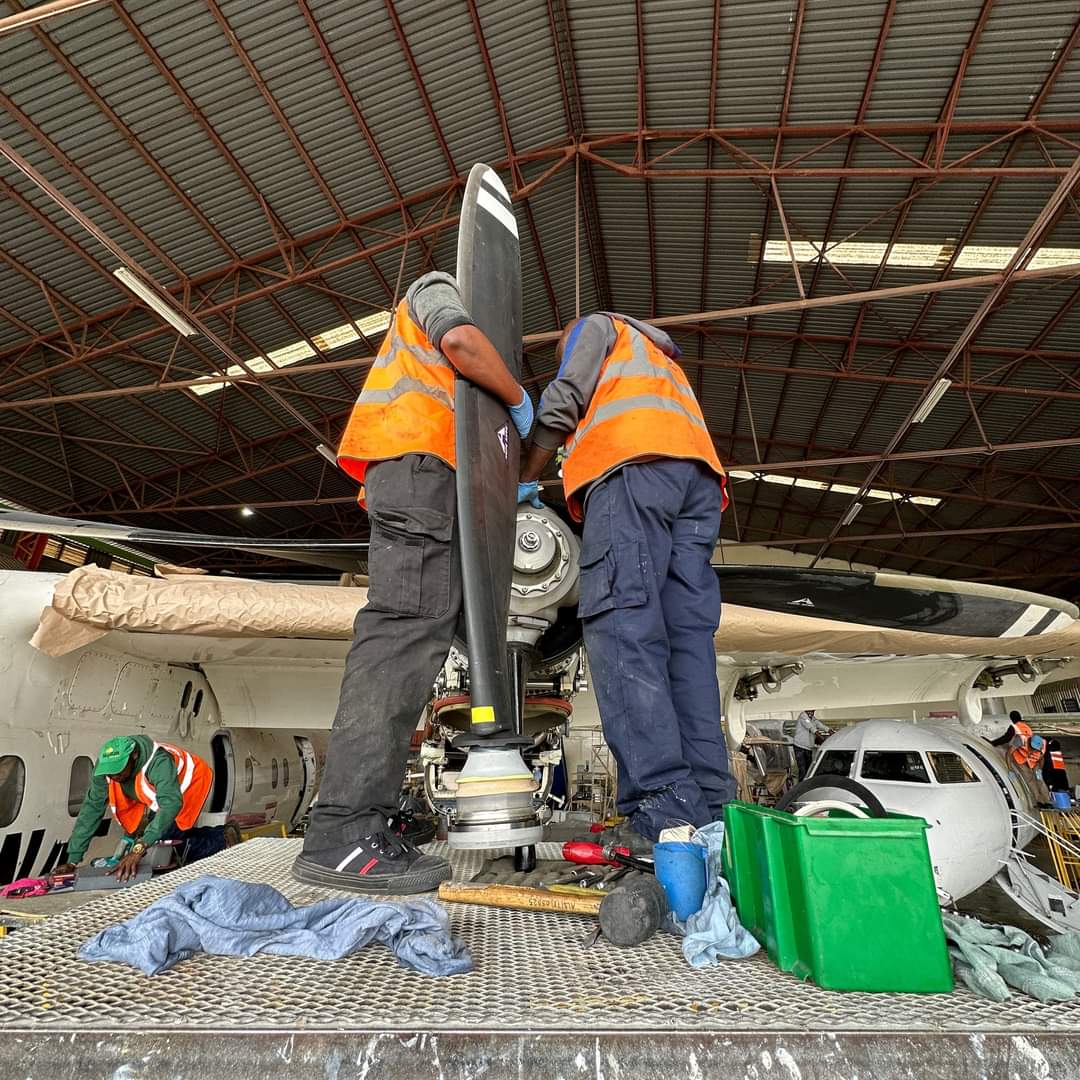
Train on real aircraft at Wilson Airport, Nairobi. Specialise in Airframe, Powerplant, or Avionics. Enter East Africa's fastest-growing aviation sector with an internationally recognized qualification.
A Subsidiary of Kenya Aeronautical College
Harmonics Air Centre
All programmes are delivered at KAC facilities with shared access to hangars, simulators, training aircraft, and expert instructors.
Why This Career
Aviation Maintenance: East Africa's Critical Skills Gap
African aviation is growing at 6% per year — faster than any other region. Airlines are expanding fleets, new airports are opening, and the demand for certified maintenance engineers is outpacing supply by 3:1. Qualified AMEs are recruited internationally, with placements in the UAE, Germany, India, and Vietnam in addition to Kenya and East Africa.
- Guaranteed employment demand — critical shortage of qualified engineers
- EASA Part-66 license is globally portable and convertible
- Work with modern jet aircraft, turbine engines, and avionics
- OJT placements in Kenya, UAE, Germany, India, Vietnam
- Promotion pathway to Senior Engineer, Quality Manager, Director
- Salary doubles within 3-5 years with experience and licensing
Specializations
Choose Your Engineering Track
Three industry-standard specializations aligned to EASA Part-66 B1 and B2 licensing categories.
Airframe Maintenance
- Aircraft structures and systems
- Composite materials repair
- Landing gear maintenance
- Hydraulic and pneumatic systems
- Doors, windows, pressurization
- Inspection and airworthiness
Powerplant Maintenance
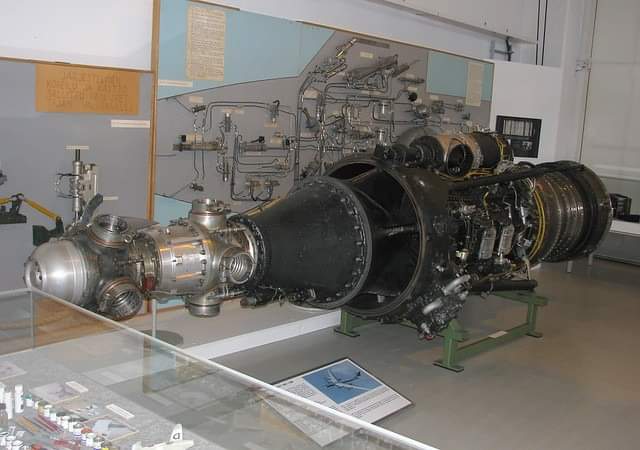
- Turbine engine overhaul
- Piston engine maintenance
- Fuel systems and controls
- Engine troubleshooting
- Performance testing and run-up
- Engine change procedures
Avionics Systems
- Electronic systems maintenance
- Navigation equipment (VOR, ILS, GPS)
- Communication systems
- Autopilot and flight management
- Modern glass cockpit technology
- ACARS and data link systems
Join hundreds of successful graduates from across East Africa
APPLICATION FEE
All Students
KES 5,000
Alumni Success
Engineers Working at Leading Organizations
Dennis Mwangi
Licensed AME — B1 Airframe
Kenya Airways Technical · Kenya
"The hands-on aircraft access at Wilson Airport set me apart in interviews. Kenya Airways hired me directly from OJT. Harmonics built the foundation that my career stands on."
Grace Adhiambo
Avionics Technician
Flyon Aero, Italy · Kenya
"I went from ground zero to working on Airbus A320 avionics in Italy. The EASA module preparation at Harmonics was thorough and exam-focused. Now I'm the only East African on our line."
Peter Nkurunziza
Powerplant Engineer
Ethiopian MRO · Rwanda
"Coming from Rwanda, Harmonics gave me a clear pathway. Year 1 of theory, then OJT at Ethiopia. I passed EASA Part-66 B1 modules on the first attempt. The preparation was excellent."
OJT & Employment Partners
Where Our Engineers Are Placed
Airline Maintenance Departments
- Kenya Airways Technical (NBI)
- Ethiopian MRO (ADD)
- RwandAir Engineering (KGL)
- Uganda Airlines Technical (EBB)
International MRO Partners
- Flyon Aero, Italy (EASA approved)
- UAE maintenance organizations
- India MRO facilities
- Germany certified workshops
Government & Regulatory Bodies
- Kenya Civil Aviation Authority (KCAA)
- Military aviation departments
- Airport authority technical teams
- Air traffic services engineering
Regional Support for All Students
- Accommodation support in Nairobi
- Visa assistance for international students
- Alumni placement network — 22 countries
- Continuing education and re-certification
FAQ
Aircraft Maintenance Engineering Questions
What are the entry requirements for Aircraft Maintenance Engineering at Harmonics Air Centre?
You need a KCSE certificate or equivalent with a minimum grade of C in Mathematics and Physics, or a relevant technical qualification. Good English communication skills are required. International students from Uganda, Tanzania, Rwanda, and other African countries are welcome to apply.
What is the salary of an Aircraft Maintenance Engineer in Kenya?
Entry-level Aircraft Maintenance Engineers in Kenya earn $2,000-$3,000 per month (KES 260,000-390,000). With EASA Part-66 licensing and experience, senior engineers at MRO facilities and international airlines earn $4,000-$6,000 per month. Our graduates at Kenya Airways Technical report salaries of KES 280,000-380,000/month.
Is the EASA Part-66 AME license recognized internationally?
Yes. EASA Part-66 is the gold standard for aircraft maintenance licensing, recognized across all EU member states, the UK, and accepted by many airlines globally as equivalent or convertible. Our program is structured to prepare students for the EASA Part-66 module exams.
What specializations are available in Aircraft Maintenance Engineering?
We offer three specialization tracks: Airframe Maintenance (aircraft structures, hydraulics, landing gear), Powerplant Maintenance (turbine engines, fuel systems, performance testing), and Avionics Systems (navigation, communication, autopilot, glass cockpit technology). Students may specialize in one or combine tracks.
Do AME graduates from Harmonics get job placement support?
Yes. We have OJT placement partnerships with Kenya Airways Technical, Ethiopian MRO, regional maintenance providers in UAE, India, and Germany. 95% of our AME graduates are placed within 6 months. We provide CV support, technical interview coaching, and direct MRO introductions.